


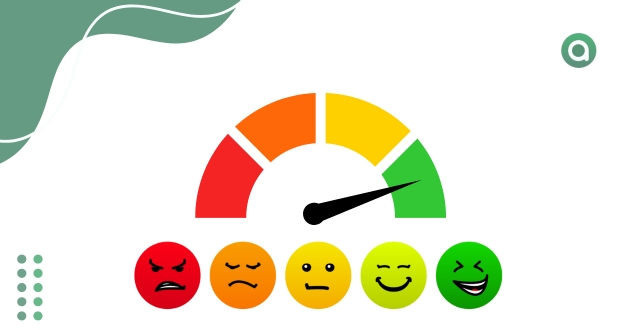
Improve credit score quickly has become a priority for millions of consumers who want faster access to better financial opportunities without waiting months or years for meaningful changes.
In today’s financial landscape, scoring models have evolved, alternative data sources have expanded, and digital banking tools have made it easier than ever to accelerate your credit-building journey safely and strategically.
Moreover, understanding how credit systems evaluate your financial behavior gives you the power to reshape your profile and build a strong reputation with lenders.
As competition grows across banks, fintechs, and lending institutions, your credit score acts as the gateway to lower interest rates, higher credit limits, easier approvals, flexible payment plans, and access to premium financial products.
Therefore, learning how to Improve credit score quickly is no longer just an advantage, it is a necessity for anyone seeking financial security, major purchases, rental approvals, or long-term economic stability.
Consequently, this knowledge becomes essential for students, freelancers, professionals, entrepreneurs, and families who want more control over their finances.
Understanding What a Credit Score Really Is
Understanding a credit score begins with recognizing that it is much more than a simple number, it is a predictive tool used by lenders to evaluate your financial reliability.
Essentially, it reflects how consistently you manage your obligations, how responsibly you use your available credit, and how stable your financial behavior has been over time. Because of this, understanding What Impacts Credit Score is fundamental for anyone seeking better loan conditions or faster approvals.
The score is shaped by several key components, each carrying a different level of influence. Payment history typically has the greatest impact, as it demonstrates whether you meet deadlines, while credit utilization shows how much of your available credit you actively use.
Additionally, the length of your credit history, the number of new credit inquiries, and the diversity of your credit accounts all contribute to your overall rating. Together, these elements create a detailed picture of how well you handle financial responsibilities.
Ultimately, understanding these factors allows you to make smarter decisions and take action where it matters most. For instance, reducing high credit card balances may quickly boost your score, while maintaining long-term accounts strengthens your profile more gradually.
By analyzing What Impacts Credit Score, you gain the clarity needed to adopt effective strategies and build a healthier, more resilient financial reputation.
Why You May Need to Improve Credit Score Quickly
There are several situations in which improving your score fast becomes urgent. Perhaps you are preparing to finance a home, negotiate a car loan, request a business credit line or simply want better credit card approvals. Moreover, a higher score unlocks benefits such as:
- Lower interest rates
- Larger credit limits
- Faster approvals
- Better financial reputation
- Higher chances of renting a property
- Opportunities for premium banking services
Consequently, knowing how to Improve credit score quickly makes a significant difference in your financial opportunities. The strategies below will guide you through the fastest, and safest, methods available today.
The Fastest Ways to Improve Credit Score Quickly
1 – Pay Down Revolving Balances (Especially Credit Cards)
Among all strategies to Improve credit score quickly, reducing credit utilization is the fastest. Credit utilization represents the percentage of your available credit that you use. For example, if your card limit is $1,000 and you used $500, your utilization is 50%.
Credit experts recommend keeping utilization below 30%, though the best scores often stay under 10%. Even a small payment may create an immediate jump in your score, especially if reporting dates are near.
Additionally:
- Requesting a credit limit increase also lowers utilization.
- Paying before the statement closing date shows lower usage to bureaus.
- Splitting purchases across multiple cards prevents a single card from looking maxed out.
As soon as you reduce utilization, your credit score responds often within days.
2 – Remove Errors From Your Credit Report
Surprisingly, credit reports contain errors more often than people imagine. Incorrect late payments, duplicate loans, outdated debts and fraudulent accounts all damage your score unfairly.
Thus, one of the fastest ways to Improve credit score quickly is to dispute these inaccuracies.
Steps to follow:
- Request free reports from all major bureaus.
- Highlight mistakes and collect supporting documents.
- Submit a dispute online, which is usually processed within 30 days.
- Follow up if corrections do not appear.
Because negative information weighs heavily, removing even a single late payment or incorrect account may lift your score dramatically.
3 – Negotiate and Settle Outstanding Debts
Unpaid debts, especially those sent to collections, are among the biggest score killers. However, settling these balances often triggers a positive change.
To speed things up:
- Contact the creditor or collection agency.
- Ask for a “pay for delete” (not guaranteed but occasionally granted).
- Negotiate for a reduced settlement.
- Request written confirmation before paying.
After payment, the account will be updated as “paid” or “settled,” decreasing its negative effect. Although the entry remains in your history, the score typically improves.
4 – Build a Positive Payment History Using Modern Tools
Payment history is the most influential factor of your score. Fortunately, even people with thin credit files can generate positive history quickly using tools such as:
- Experian Boost, which counts utility, streaming and cellphone payments.
- Rental reporting services, which send your rent history to bureaus.
- Secured credit cards, which approve people with low or no scores.
- Credit builder loans, where payments are saved and returned to you later.
Because these tools help establish consistent on-time payments, they accelerate your ability to Improve credit score quickly, even if you start from zero.
5 – Avoid Applying for Too Much Credit at Once
Although applying for credit may seem like a shortcut to “grow your profile,” each inquiry lowers your score temporarily. Too many inquiries signal high risk and create the impression that you are desperate for loans.
Therefore:
- Only apply when necessary.
- Space applications at least 90 days apart.
- Use pre-qualification tools, which perform “soft checks.”
This keeps your report clean and stabilizes your reputation.
Long-Term Strategies to Improve Credit Score Sustainably

Although fast results are helpful, maintaining a healthy score requires stability and discipline. Therefore, pairing quick-win tactics with long-term habits creates the strongest credit profile.
- Always Pay Bills Before the Due Date: Late payments remain on your credit report for seven years. Setting up automatic payments or reminders prevents accidental delays and protects your score over time.
- Keep Old Accounts Open: Some people close old cards thinking it will “clean” their profile, but this is a mistake. Closing accounts reduces your available credit and shortens your average credit age, which harms your score. Unless an account has high fees, keeping it open strengthens your credit longevity.
- Monitor Your Credit Regularly: Consistent monitoring helps you detect fraud, identify changes and correct issues before they worsen. Many banks offer free real-time score updates, which guide your next steps to Improve credit score quickly when necessary.
Common Mistakes That Prevent You From Improving Your Score
Even with good intentions, some habits quietly sabotage progress. Avoid:
- Maxing out credit cards “for points”
- Ignoring small debts that turn into collections
- Closing accounts abruptly
- Applying for multiple loans in the same month
- Missing payments because of poor organization
- Falling for scams promising “instant credit score repair”
These mistakes slow down or reverse your financial progress.
Final Thoughts
As you move forward on your credit-building journey, it’s important to remember that improving your score is not just about short-term gains, it’s about creating long-term financial strength. While rapid strategies offer noticeable results, true credit health comes from consistent habits, responsible decision-making, and continuous monitoring.
Fortunately, modern tools and reputable platforms make this process easier than ever, especially when you understand the mechanics behind your score and how each action contributes to your financial identity.
Moreover, as lenders become increasingly data-driven, a strong credit score can open doors to better interest rates, premium banking products, rental approvals, business opportunities, and even career advantages.
Therefore, dedicating time to understand your credit profile, and taking strategic steps to improve it, creates meaningful impact far beyond the numbers. If you need guidance or want to track your progress, you can access reliable credit resources and score monitoring through the official Experian platform, which provides tools, educational materials, and secure credit simulations to support your long-term growth.
Ultimately, the journey to a strong score is both personal and powerful. By combining fast-acting methods with stable financial habits, you build a resilient foundation that protects you against uncertainties and enhances your economic freedom.
With the right knowledge, the right tools, and the right mindset, you’re fully equipped to strengthen your financial future and keep progressing toward your goals with confidence.